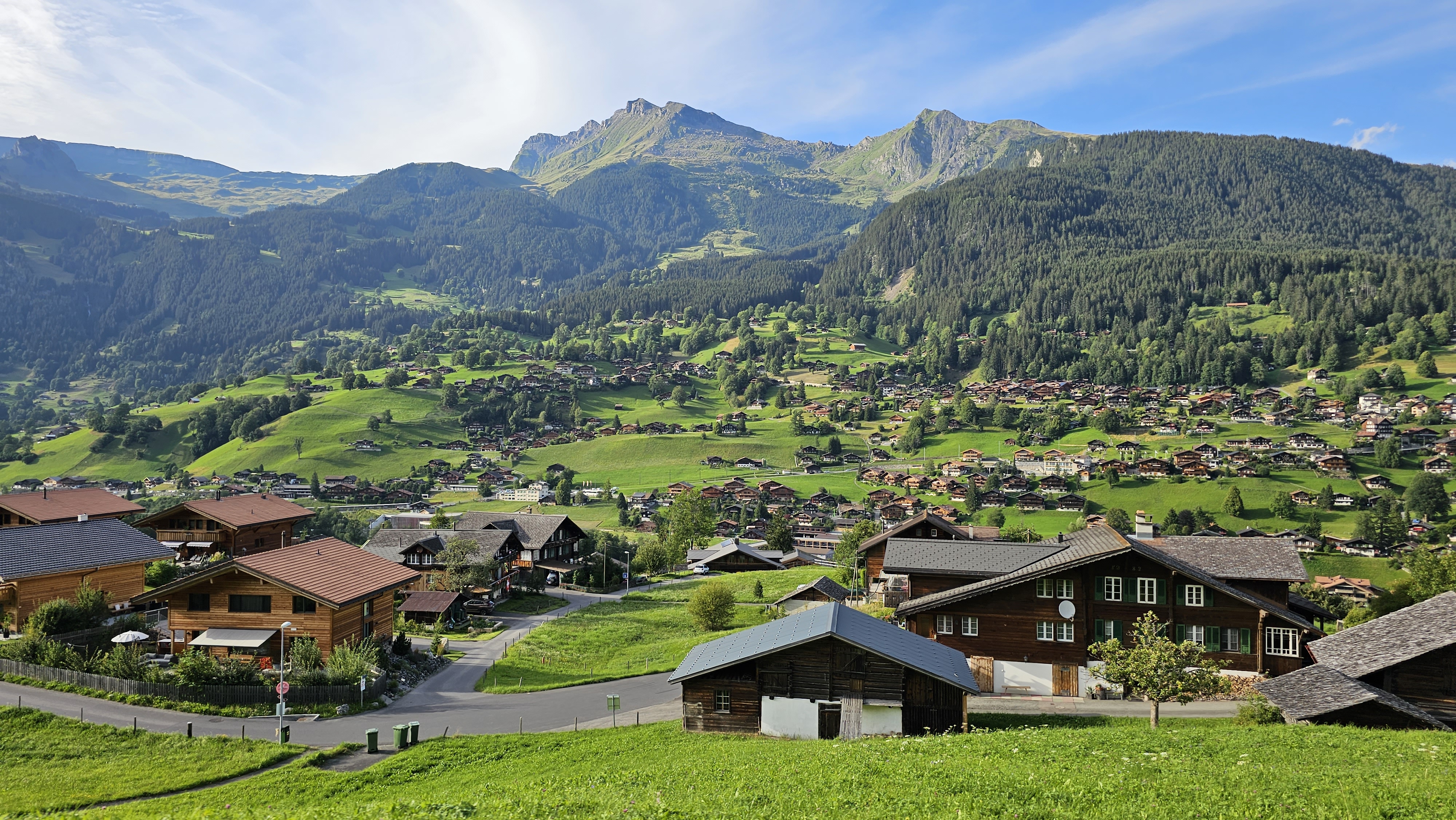
Switzerland doesn't ease you in. From the moment your train clears the first tunnel and the Alps open up in front of you — green valleys, sheer rock faces, waterfalls tumbling hundreds of metres off cliffs — you understand why people come here and can't stop talking about it.
This is the Summer itinerary (April to September), though most of it works beautifully in winter too. Plan for 8–10 days — less and you'll feel rushed; more and you'll never want to leave.
The route: Fly into Geneva Airport, take the train directly to Zermatt. Then move through Interlaken → Lucerne → Zurich. This flows geographically and saves you from backtracking.
💡 Before you go: Buy a Swiss Travel Pass — it covers trains, buses, cable cars, boats, and free entry to 500+ museums. Book major tourist attractions (Jungfraujoch, Titlis, Pilatus) online well in advance — they sell out.
Before You Pack — Know This First
Switzerland is one of the most expensive countries in the world. A sit-down dinner can easily run CHF 30–60 per person. The good news: Migros and Coop (the two main supermarkets, everywhere) have outstanding prepared food — sandwiches, hot meals, salads, sushi — for CHF 8–15. Mix supermarket lunches with one good restaurant dinner each day and you'll manage the budget without sacrificing experience.
Pack layers even in summer — valley towns are warm, but mountain summits like Jungfraujoch hit −10°C year-round
Bring good walking/trekking shoes — you will hike more than you planned, and cobblestones in the cities are unforgiving on thin soles
Carry an umbrella or packable rain jacket — mountain weather changes within the hour
Bring durable luggage — trains, gondolas, cobblestone streets, and stairs at every turn
Swiss tap water is some of the cleanest in the world — carry a refillable bottle and skip the plastic
1. Interlaken
Interlaken sits tucked between two Alpine lakes — Thun to the west, Brienz to the east — with the Eiger, Mönch, and Jungfrau watching from the south. It's the adventure capital of the Alps, and even if you never strap into a harness, the setting alone is worth two or three days. Use it as your base for Grindelwald, Lauterbrunnen, and Jungfraujoch.
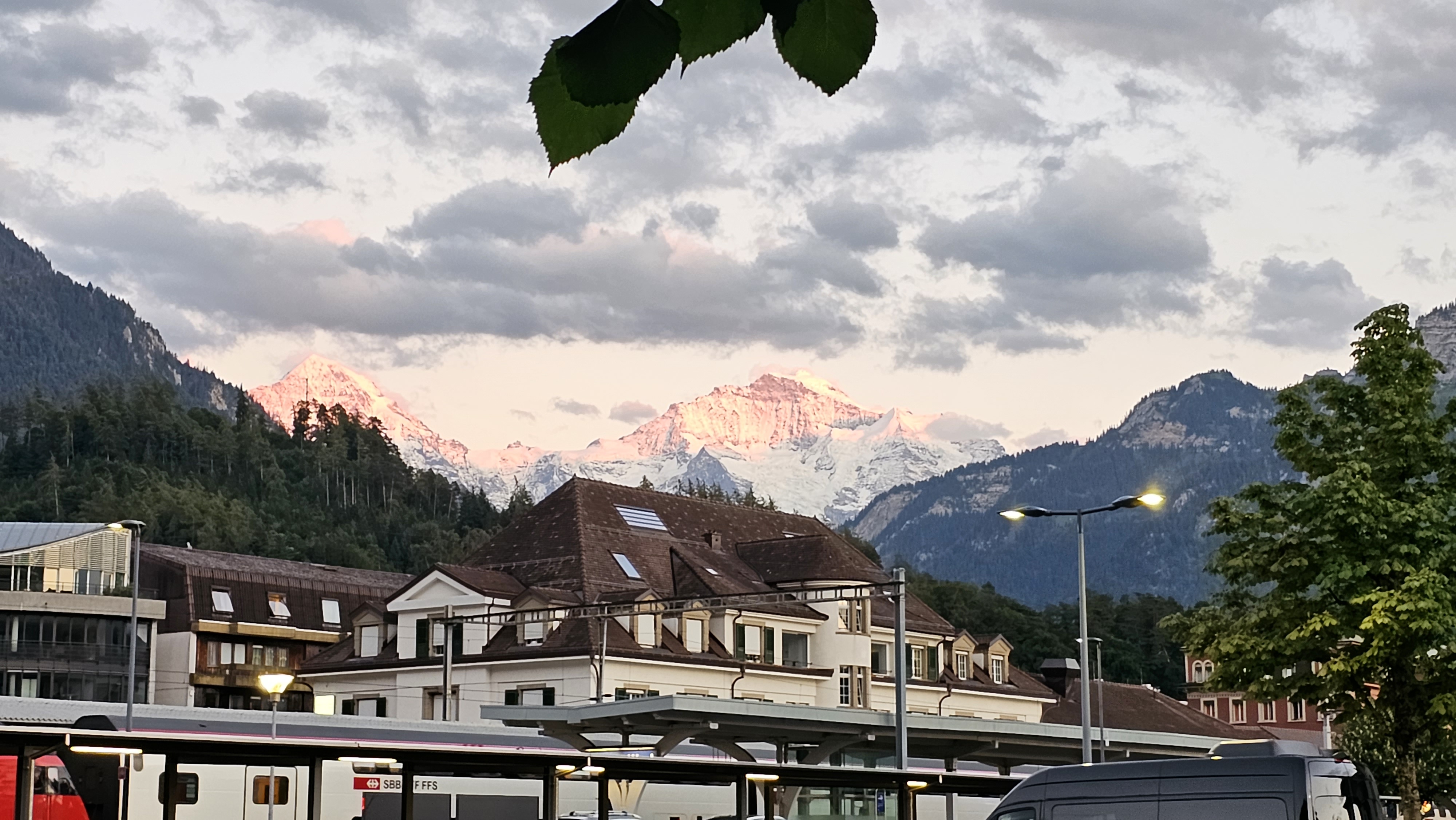
Paragliding from Hohematte Park — launch from the hill above town and land in the central meadow with the Jungfrau directly ahead of you. One of the great tandem paragliding experiences in Europe. Costs around CHF 170–200.
Horse carriage through town — slow, old-fashioned, and surprisingly delightful
Lake Aare evening walk — the turquoise colour of the river running through Interlaken is caused by glacial sediment. Striking, especially in low evening light.
Picnic at Hohematte — the central park flanked by the Alps. Buy from a bakery and eat outside — this is the Swiss thing to do.
2. Grindelwald
A village at the foot of the Eiger — the mountain with the most notorious north face in the world, 1,800 metres of sheer limestone that defeated climbers for decades. Even if you're not a mountaineer, looking up at it from the village floor is humbling. Take the train from Interlaken OST station — 44 minutes, runs frequently.
First Cliff Walk by Tissot — a glass-floored suspension bridge jutting off the cliff edge at 2,168m. Spectacular views. Go early — it gets crowded by mid-morning and the photos are better in soft morning light.
Bachalpsee Lake — a 45-minute hike from the First gondola top station. On a clear day the Schreckhorn reflects perfectly in the water. Start early and check the weather — clouds move in by afternoon.
First Flyer zip line — 800m long, 84 km/h, launched off the cliff edge. Optional but unforgettable.
3. Jungfraujoch — Top of Europe
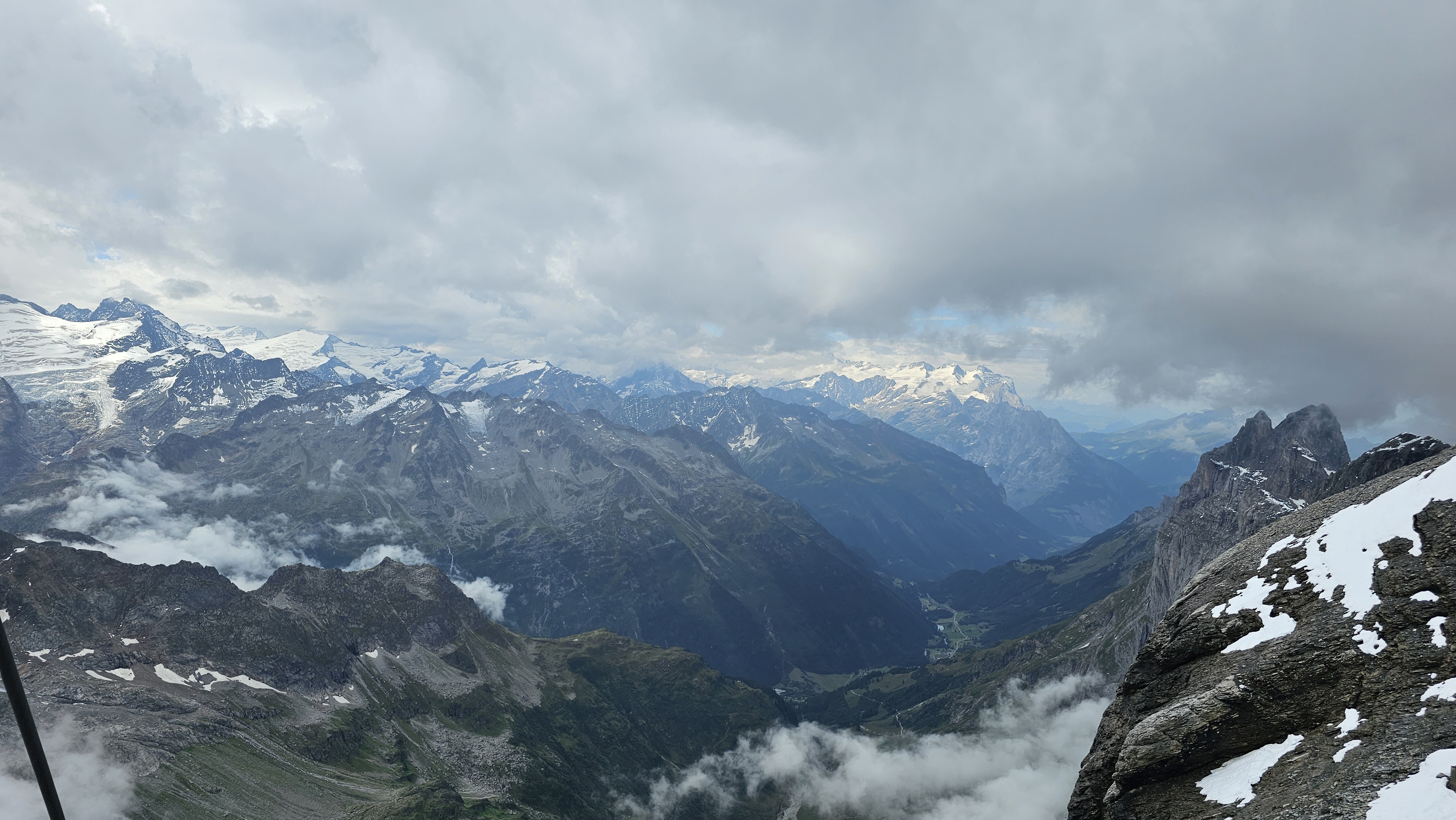
At 3,454 metres above sea level, Jungfraujoch is the highest railway station in Europe — and reaching it involves one of the most extraordinary train journeys you'll ever take: tunnels carved through the inside of the Eiger, windows cut into the glacier, a final ascent through solid ice. Buy tickets online in advance from the official Jungfrau website.
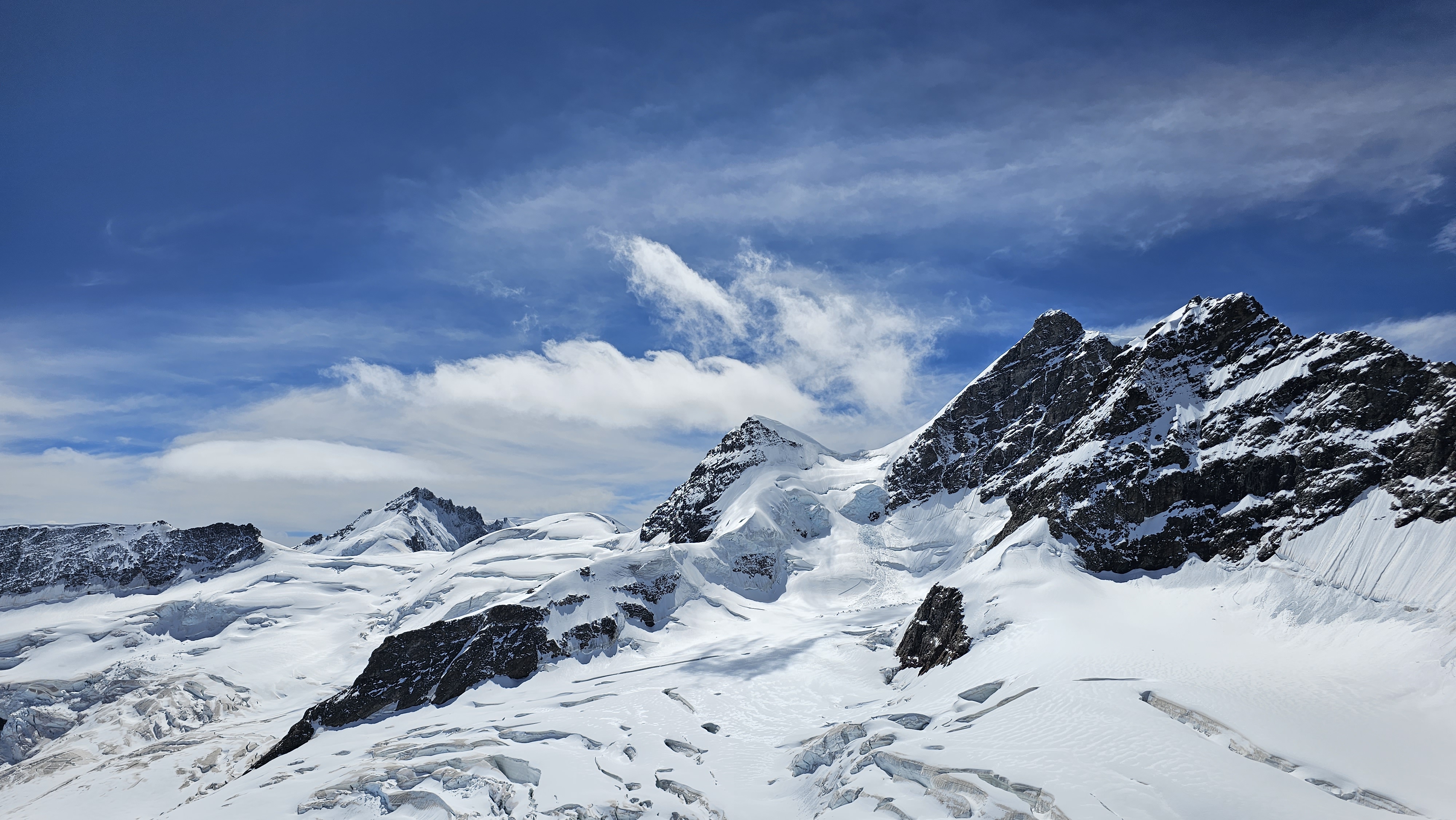
Route: Leave by 8–9 AM → Grindelwald → Klein Scheidegg (change trains, ~30 min) → Eigergletscher → Eigerwand → Eismeer → Jungfraujoch
⚠️ The Jungfraujoch ticket costs CHF 200 and is not covered by the Swiss Travel Pass. Buy the "Good Weather Guarantee" flexible ticket — you can reschedule free if the summit is clouded in. Check the webcam the night before.
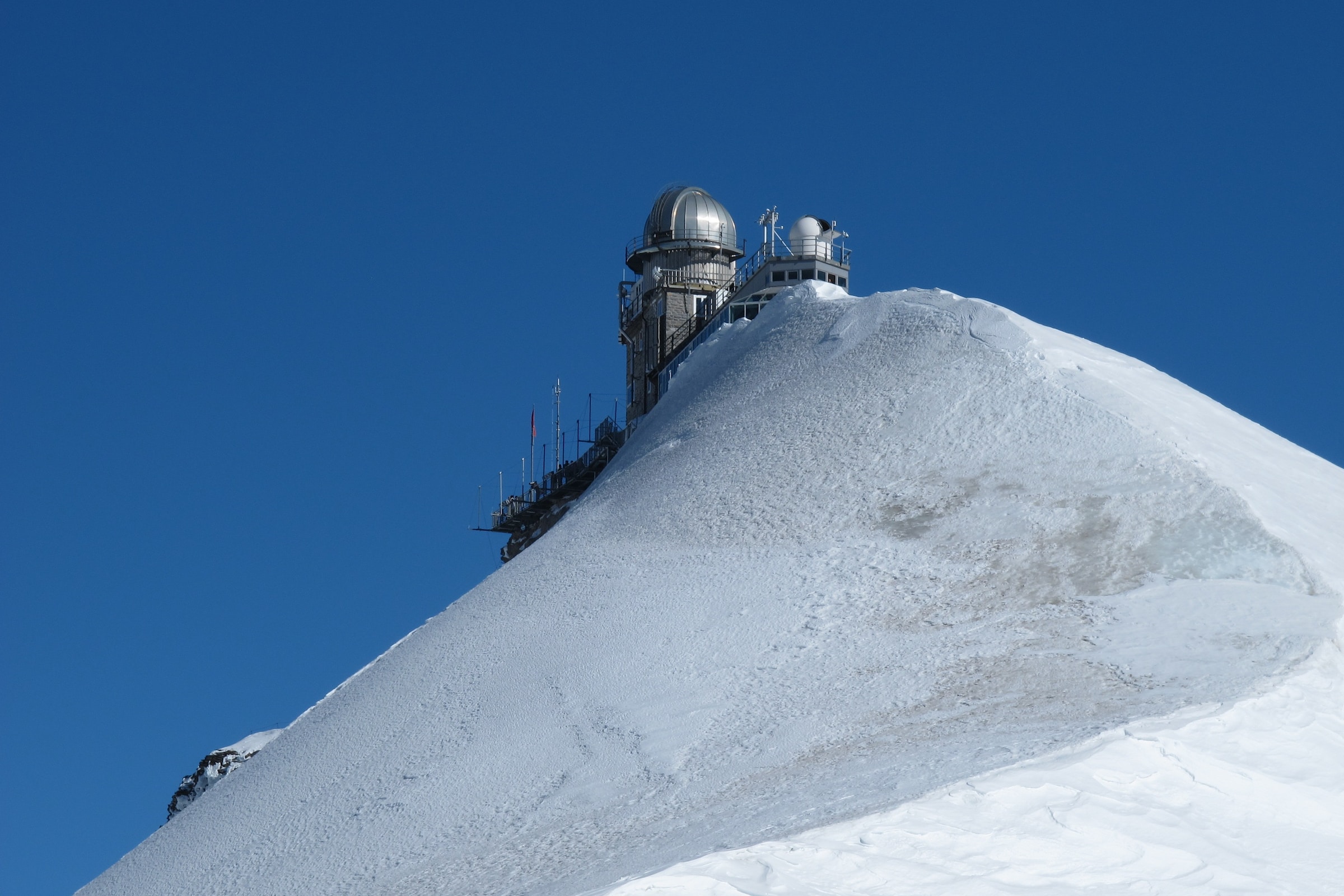
At the top: The Aletsch Glacier (UNESCO World Heritage — the longest glacier in the Alps at 23 km), Ice Palace carved entirely inside the glacier, Sphinx Observatory with 360° Alpine views, Skywalk terrace, and year-round snow activities: sledging, zip-lining, skiing. The altitude will hit you — walk slowly and drink water.
4. Lauterbrunnen
This valley inspired J.R.R. Tolkien's Rivendell. That is not a marketing claim — it's simply what the place looks like. Sheer 300-metre cliff walls on both sides, 72 waterfalls cascading down them in long white ribbons, a flat green valley floor with a river running through it, and the sound of falling water everywhere you go. Plan at least 1–2 full days.
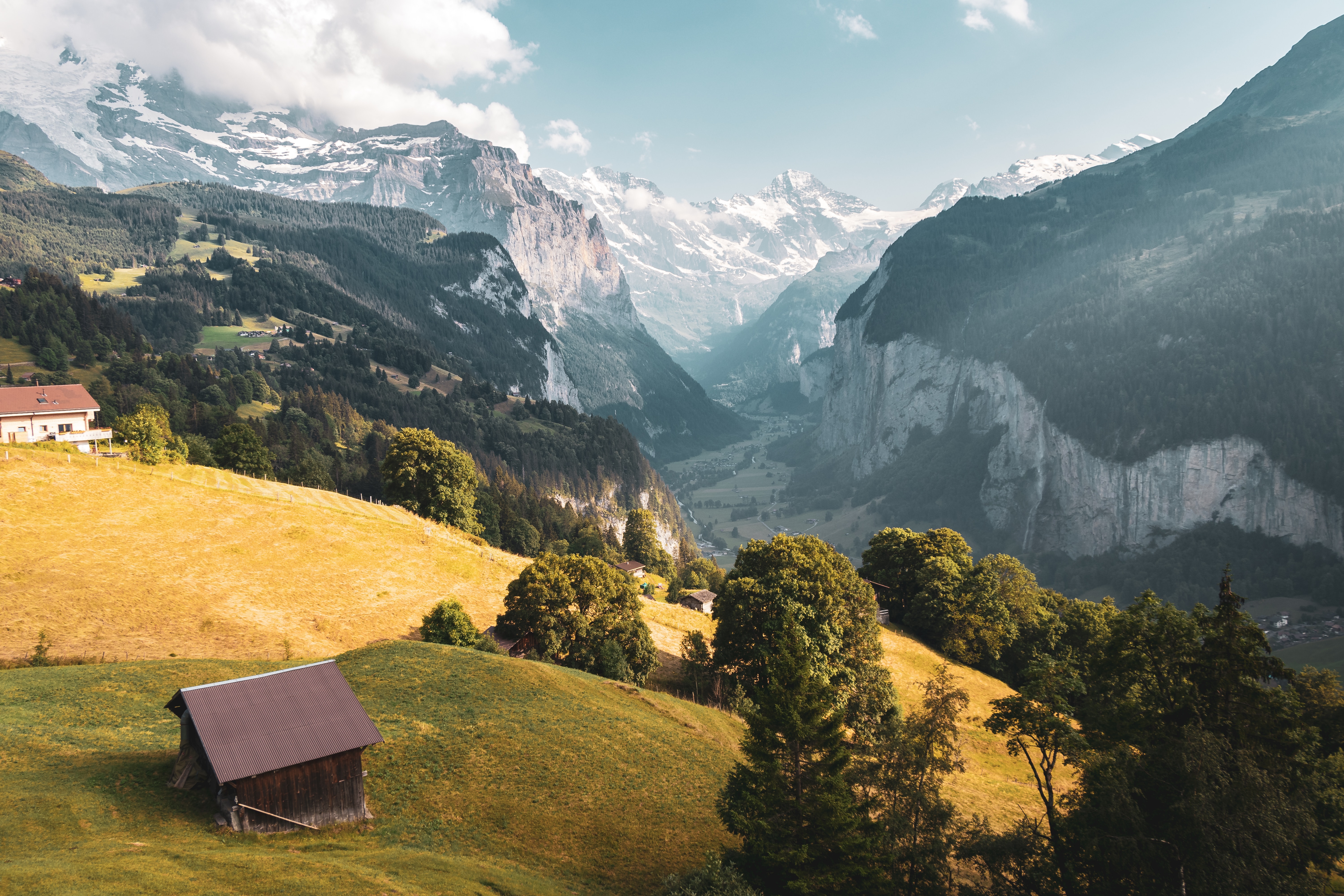
Staubbach Waterfall — 297m free-falling drop, 10 minutes' walk from the train station. You can walk behind the falls — the mist is constant and spectacular.
Trümmelbach Falls — take the bus to Stechelberg (10-minute ride). These are the waterfalls inside the mountain — literally inside the cliff. Carved by glacial meltwater, they carry 20,000 litres per second and thunder through narrow rock tunnels illuminated by floodlights. Unlike anything else in Switzerland.
Paragliding through the valley — landing in Lauterbrunnen with the waterfalls around you is a completely different experience from Interlaken
Schilthorn (Piz Gloria) — the 007 summit (James Bond's On Her Majesty's Secret Service was filmed here). Take the cable car from Mürren for 360° Alpine views and the revolving restaurant. Worth it if you're skipping Pilatus or Titlis.
5. Lucerne
If there's one Swiss city that has everything in one place — mountains, a lake, medieval architecture, world-class day trips — it's Lucerne. It's also compact and entirely walkable, which matters after a week of train-hopping. Plan 3 days minimum: one day for Mt. Pilatus, one for Mt. Titlis/Engelberg, one for the city itself.
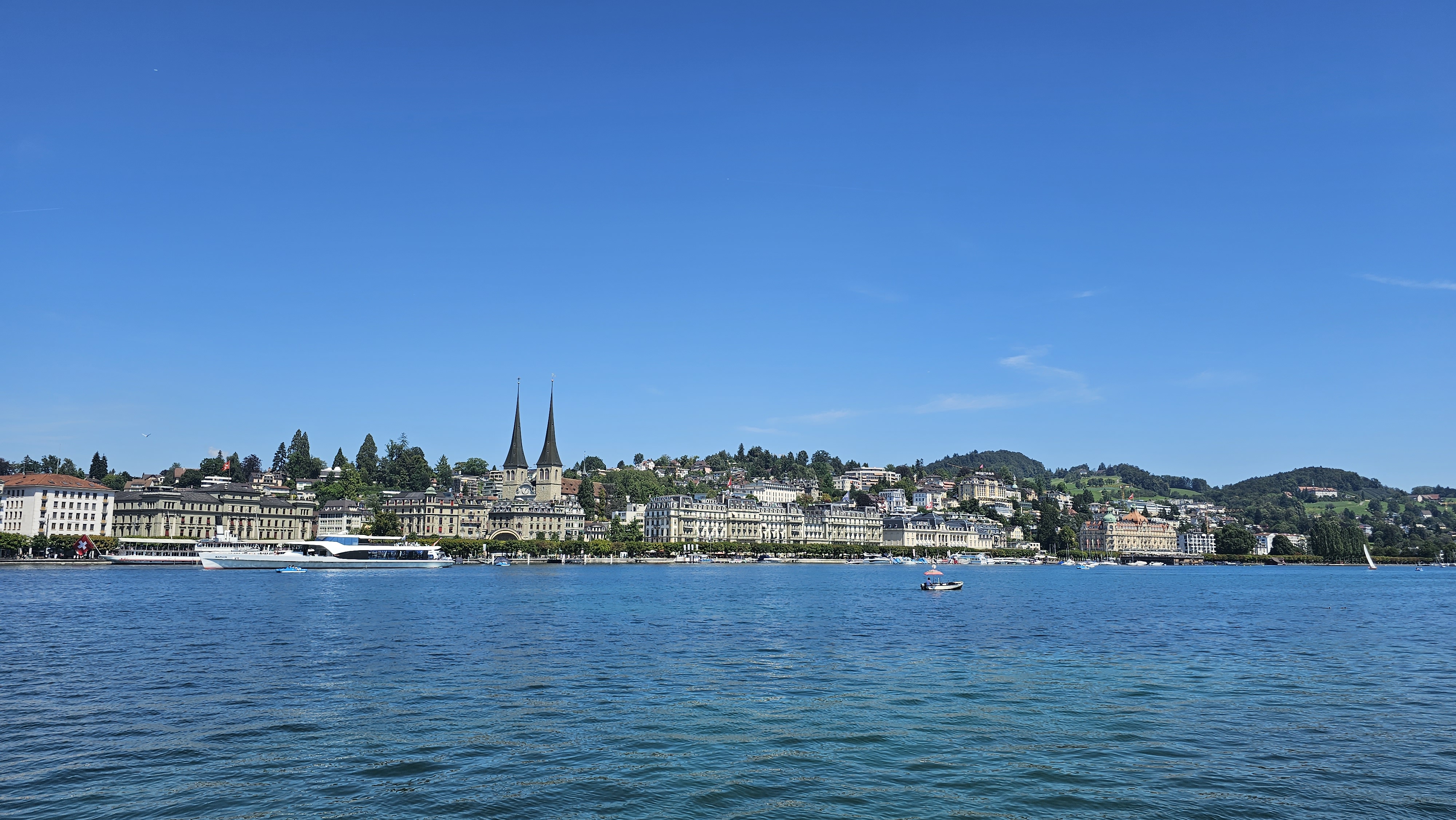
Chapel Bridge (Kapellbrücke) — a 14th-century covered wooden bridge, the oldest in Europe, stretching diagonally across the Reuss River. The painted panels inside date back to 1600. Walk it twice — once each direction.
Lion Monument — a dying lion carved directly into a rock face, commemorating the Swiss Guards who died defending King Louis XVI in 1792. Mark Twain called it "the most mournful and moving piece of stone in the world."
Lake Lucerne — take the boat cruise (Swiss Pass included) out through the fjord-like lake arms with the Alps reflecting in the water. The 90-minute circuit to Weggis and back is perfect.
Swiss Museum of Transport — interactive, hands-on, and genuinely engaging for all ages. Best museum of its kind in Europe.
Old Town — the frescoed buildings along the riverside are among the most photographed in Switzerland. Cross the Spreuer Bridge (less famous than Chapel Bridge but more authentic) for a quieter walk.
Thermalbad & Spa — the perfect wind-down after a week of hiking. Open-air rooftop pool overlooking the Old Town.
Mount Pilatus
A full-day trip that combines every mode of transport Switzerland offers — and the cog railway to the summit is the steepest in the world (48% gradient). Book via the official Pilatus website. The Golden Round Trip ticket covers everything.
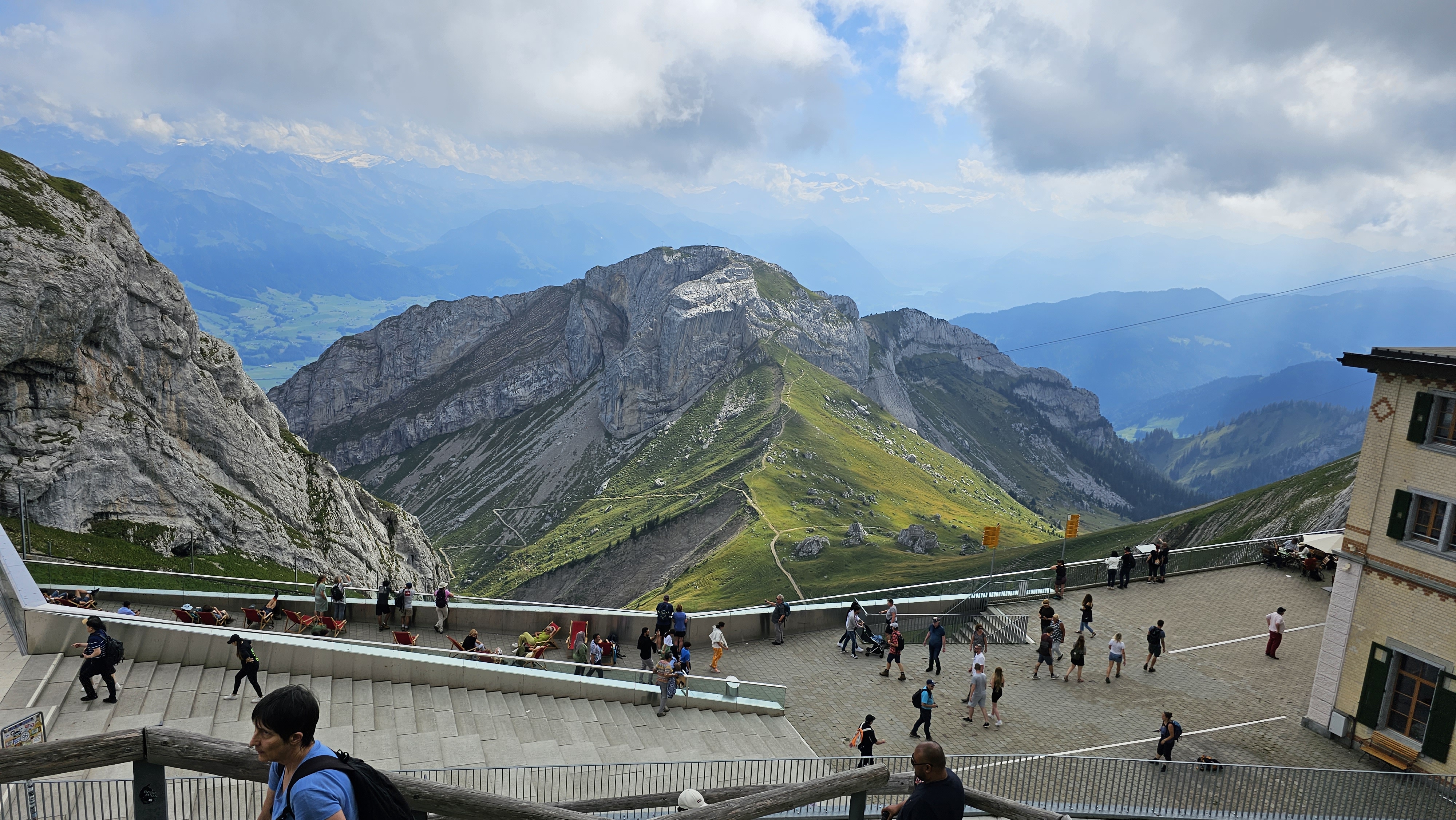
Route: Boat cruise from Lucerne → Alpnachstad (every 30 min, included in Swiss Pass) → World's steepest cogwheel railway to summit at 2,132m → Dragon Ride cable car down → Gondola to Kriens → Bus back to Lucerne
At the summit: 3 viewpoints, a cave system with resident Alpine Choughs, restaurants, and the Alpine Coaster near Kriens on the way down (fun if you have kids — or don't).
6. Engelberg & Mount Titlis
Engelberg is a charming mountain village about an hour from Lucerne by train, home to a Benedictine monastery that's been there since 1120. But most people come for Titlis — and the main reason is the Titlis Rotair, the world's first revolving cable car. On the 5-minute ascent, the cabin rotates a full 360°, and there's nothing between you and the Alps.
Route: Train from Lucerne → Engelberg (hourly, 1 hour) → Bus to cable car base → Trübsee → Stand → Titlis Rotair to summit at 3,028m
Glacier Cave — tunnels and chambers carved into the glacier with ice sculptures and coloured lighting. Surreal and photogenic.
Titlis Cliff Walk — Europe's highest suspension bridge, 500m above the glacier. Designed to move in the wind (it does).
Snow activities year-round — skiing, snowboarding, sledging, and a small snow park even in July
Fun fact for Bollywood fans — the Titlis summit and nearby Engelberg featured in Dilwale Dulhania Le Jayenge (DDLJ). There's a statue at the gondola base, and the scenery looks exactly as it did on screen.
7. Zurich
Switzerland's largest city and one of the most liveable in the world — immaculately clean, strikingly beautiful, and expensive in ways that make you gasp and then quietly accept. Plan 3 days: one for Rhine Falls or the Lindt Factory, two for the city. Fly home from Zurich Airport (ZRH) — the international hub for the whole region.
Old Town (Niederdorf / Altstadt) — cobblestone lanes, 700-year-old buildings, hidden courtyards, and the twin towers of the Grossmünster cathedral watching over the river. Beautiful at any hour, magical at night.
Lindenhof — a hilltop park where the Roman fort of Turicum once stood. Quiet, locals-only feel, with one of the best views over the Limmat and the rooftops of the Old Town.
Bahnhofstrasse — one of the world's most prestigious shopping streets, 1.4 km of luxury boutiques and Swiss watchmakers. Even if you're not buying, it's an experience.
Lake Zurich promenade — on a clear day you can see the Alps from the lakeside. Locals swim in the lake in summer (the water quality is excellent).
Swiss National Museum — inside a castle-like building next to the main station. Surprisingly rich cultural history.
Kunsthaus Zürich — one of Switzerland's great art museums, especially strong on Alberto Giacometti and the Impressionists.
Thermalbad & Spa Zurich — rooftop bath inside a converted brewery with views of the old town. Book in advance.
Rhine Falls
Europe's largest waterfall by volume — 700 cubic metres of water per second crashing over a 23-metre drop. It's not the highest, but the sheer width and force of it is extraordinary. Boats take you right up into the spray. One hour from Zurich by train — plan a full day trip.

Viewing platforms on both sides of the falls (~CHF 5 from vending machines at each bank)
Schloss Laufen castle with a restaurant and direct cliff-edge terrace overlooking the falls
Boat trips from the lower bank — the closest is the rock right in the middle of the falls. Worth every franc.
Adventure park nearby with zip lines and rope courses if you have kids or adventurous adults
Lindt Home of Chocolate
A half-day trip to Kilchberg, 20 minutes from Zurich by train. This is not just a shop — it's a full chocolate museum with the world's largest chocolate fountain (9 metres tall), interactive exhibits on the history of Swiss chocolate-making, factory tours, tasting stations, and a factory outlet store where the prices are significantly lower than anywhere else. Book online in advance — tickets sell out, especially on weekends.

8. Zermatt
Zermatt is completely car-free — no petrol engines anywhere in the village. You arrive by train, electric taxis whirr past quietly, and the only other road vehicles are horse-drawn carriages. The air is clean, the streets are narrow, and at some point, usually as you round a corner toward the upper village, the Matterhorn appears in a gap between the buildings. Try to arrive at sunset. The pyramid silhouette turns pink and gold, and it looks exactly like the Toblerone wrapper — because Toblerone modelled its design on this exact mountain.
Stellisee Lake — the best Matterhorn reflection in Switzerland. Take the Sunnega funicular (CHF 32) + 20-minute walk. Go at sunrise or sunset — the mountain turns shades of orange and red.
Gornergrat Railway — cogwheel railway climbing to 3,089m, with a view of Monte Rosa (the second highest peak in the Alps) and 29 other mountains over 4,000m. One of the great train journeys in the world.
Gorner Gorge (Gornergraben) — narrow canyon carved by glacial meltwater, with suspension bridges and walkways through the slot. Dramatic and easy to miss because it's not heavily advertised.
Skiing & Snowboarding — Zermatt has the most reliable snow in Europe and connects with Cervinia in Italy. The terrain is serious; the views are better than anything else in the Alps.
Mountain biking & paragliding — see Zermatt and the Matterhorn from above. Something genuinely different from what postcards show.
Hörnli Hut — the base camp for Matterhorn summit attempts. Non-climbers can hike up to it (about 2.5 hours from Zermatt). You'll walk past serious mountaineers heading up the fixed ropes and get closer to the mountain than almost any other route.
What to Eat in Switzerland 🧀
Swiss food doesn't get the attention it deserves. Here's what to actually eat:
Cheese fondue — a pot of melted Gruyère and Emmental, a splash of white wine, a rub of garlic. Eat it with bread. Order it once and you'll want it every night. Best in Zermatt and Lucerne in a proper mountain restaurant.
Raclette — half a wheel of cheese melted under a grill and scraped onto boiled potatoes, pickled gherkins, and pearl onions. Simple, rich, completely addictive.
Rösti — the Swiss version of hash browns, but eaten as a full side dish or base for a main course. The German-speaking Swiss eat this the way the French eat bread — at every meal, without apology.
Swiss chocolate — go beyond the airport. Look for Läderach (the best fresh chocolate in Switzerland, handmade daily), Cailler (oldest Swiss chocolate brand, since 1819), and local chocolatiers in whatever town you're in. The difference from supermarket chocolate is not subtle.
Swiss wines — almost none is exported, which means almost nobody outside Switzerland knows how good they are. The Valais region (near Zermatt) produces outstanding whites from Chasselas grapes and deep reds from Pinot Noir. Order the local wine in any restaurant.
Budget tip: Migros and Coop have hot lunch counters and excellent prepared meals for CHF 8–15. Use them for lunch, save your budget for dinner.
✈️ Quick Route Summary: Geneva → Zermatt (train, ~4 hrs) → Interlaken + Grindelwald + Lauterbrunnen (3 days) → Lucerne + Pilatus + Titlis (3 days) → Zurich + Rhine Falls / Lindt (2–3 days)
🗺️ Planning your Switzerland trip?
This post covers what to do and see. For the full picture — Swiss Pass vs. point-to-point tickets, visa requirements by passport, how to budget by travel style, and a day-by-day itinerary you can follow without any additional research — check out our downloadable travel guides at QuintWish. Built from a real trip, designed so you can follow them without googling a thing.
